|
Editor’s note: This article is based on a poster presented at the Medical Library Association (MLA) Conference in May 2026. Medical libraries play a crucial role in modern healthcare institutions, delivering critical research support to nursing staff, medical providers, and allied health professionals. At the Ascension Seton Medical Library in Austin, Texas, we sought to address a persistent challenge facing hospital libraries nationwide. Clinical professionals operate within an increasingly demanding work environment, characterized by tight schedules and an ever expanding information landscape. Hospital librarians often struggle to keep their organization’s staff informed about available resources and services. In an effort to close this gap, the Ascension Texas library team designed and implemented a targeted, cost-effective marketing plan. The initiative aimed to expand awareness, improve accessibility, and increase engagement across personnel within a local, non-profit healthcare market while adhering to a strict budget of $300. Target Population and Library Services The outreach program was specifically tailored to serve a diverse user population distributed across multiple clinical and academic environments in the Ascension Texas market. The library’s demographic in Texas includes medical and allied health providers, nursing personnel, medical students, clinical residents, and physicians working in hospitals, outpatient clinics, and Graduate Medical Education programs. To support this broad workforce, our library maintains an intuitive website interface that acts as a central hub for all of our electronic resources. Key resources provided by the library include curated research guides, a discovery search feature, and specific biomedical databases. The library team delivers a wide array of specialized services designed to assist healthcare providers at every stage of both patient care and academic research. These services include interlibrary loan facilitation, comprehensive literature searches, systematic review consultation and support, formal orientations, and examination proctorship. Previously, our library relied on traditional marketing vehicles, like electronic flyers, group education workshops, and general orientation sessions to encourage resource usage. However, given the evolving communication landscape and budget limitations, a rejuvenated strategy was created to increase library visibility and promote patron engagement. Strategic Marketing Interventions Recognizing the necessity of using cost-efficient marketing channels, the outreach plan combined digital content optimization with targeted physical branding. A key component of the strategy was securing access to Canva for non-profits. Available at no cost to eligible 501(c)(3) non-profit organizations, this platform enabled the library team to create professional-grade graphic design projects without incurring software fees. Utilizing Canva, the authors created visually appealing digital and marketing materials tailored to healthcare staff. The new marketing initiatives centered on the following endeavors: - Library marketing videos: The team produced custom promotional videos embedded onto the library website to highlight core services and research tools.
- New announcements blog: New resources were showcased on the top center of the library home page with Canva designed graphics.
- Branded hospital bookmarks: Custom designed bookmarks were printed and distributed across hospital staff breakrooms, as well as handed out during formal staff orientation programs to give new hires access to tangible information they could refer back to. (see Image 1)
- Strategic breakroom flyers: Promotional flyers were made and paired with leftover meeting snacks placed in breakrooms, creating an informal touchpoint for busy hospital staff during breaks. (see Image 2)
By combining digital enhancements across existing platforms, such as research guides and blogs, along with physical marketing materials, the library established multiple new touchpoints across clinical staff’s daily routines for a total financial investment of $243. 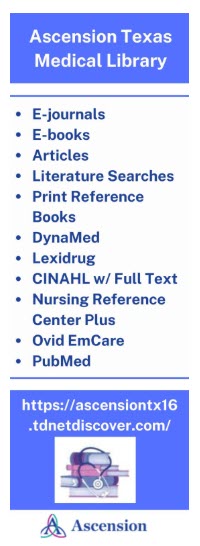
Image 1: Bookmark handed out at orientations. Credit: Ascension Seton Medical Library 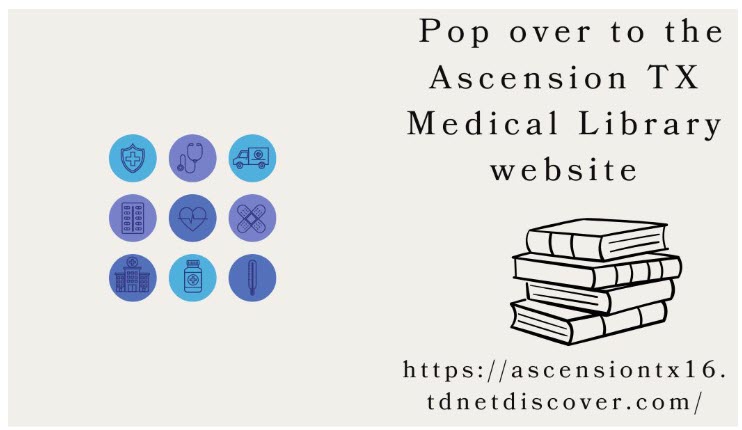
Image 2: A flyer paired with leftover snacks in break rooms. Credit: Ascension Seton Medical Library Quantitative Results and Comparative Analysis To evaluate the efficacy of the marketing campaign, the library conducted a six-month comparative study analyzing the usage metrics before and after the implementation of the new outreach interventions. The findings showed positive growth across all key performance indicators, strongly suggesting that strategic low-cost interventions can directly translate into heightened patron activity. The comparative six month analysis illustrated growth in the following areas: - Website traffic: Digital engagement expanded, resulting in a 12.1% increase in website traffic.
- Resource access and support requests: Direct requests for librarian assistance and resource access grew by 13.4%.
- Research engagement: In-depth research activity saw the most growth, with literature searches increasing by 18.6% over the post-intervention period.
These metrics demonstrate that even modest marketing investments can make for meaningful increases in how clinical professionals interact with their institution’s library resources. Impact and Takeaway The outcomes of this six-month outreach campaign emphasize an important lesson for medical libraries operating in contemporary healthcare systems. In an era of widespread institutional budget cuts, hospital libraries must find sustainable and economical strategies to maintain visibility and advocate for their essential role in evidence-based practice. By strategically repurposing existing digital platforms such as blogs and research guides, and supplementing them with affordable custom designed library branding via free non-profit tools like Canva, the Ascension Seton Medical Library successfully engaged more of its user base with only a modest financial investment. This initiative demonstrates that high-impact marketing does not always require a large budget. Instead, thoughtful design, multi-channel distribution, and more alignment with the habits of busy healthcare professionals can provide a scalable, low-cost model that other medical libraries can replicate to boost patron engagement and increase resource utilization. DCT Featured Article - November 10, 2026
|